Photobucket had recently changed their policy and now all the images from my 650+ blog posts are disabled. I am slowly editing them by moving my images to my own server at AWS, but it will take time. In case there is a particular old post you want to see the images of, kindly drop me a mail at mizohican@gmail.com and I'll keep that at a high priority. Thank you.

Monday, October 20, 2014

Chp 533. The Silence that we all missed


Last night, a lot of people watched NorthEast United FC and FC Goa battle it out at the ongoing Indian Super League. The match ended in a draw, with veterans like ex-Arsenal players Robert Pires and Andre Santos unable to take advantage of a much younger home side. Those of us who saw the match would definitely have an opinion about the game or how the players performed.

However, what none of us who were watching the match on TV or online Live-streaming noticed was this.


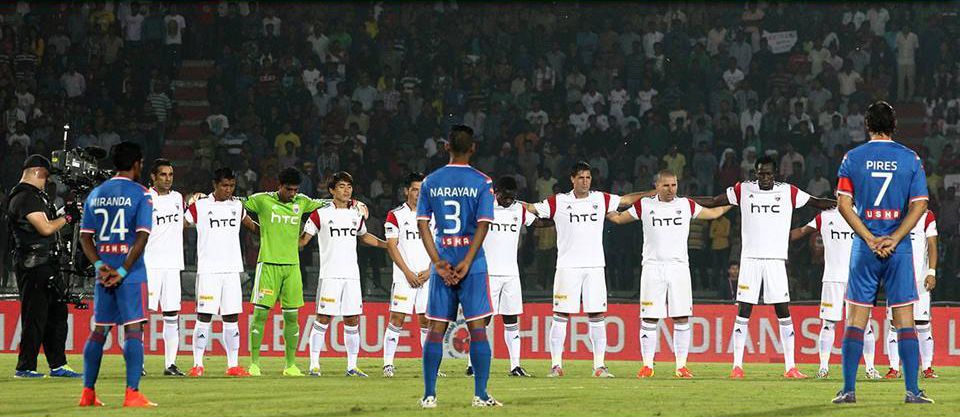
Yes, a 30 seconds moment of silence was held by the players of NEUFC and FC Goa before the kick-off.

We never saw this on TV or Live stream because it went into commercials at this time. Only those who were at the stadium witnessed this, and the whole stadium came down to a complete silence for 30 seconds.

What was the reason for this?

A moment of silence before a match in football is usually honored to mourn the death of a fellow football player, as a way of showing respect or tribute to the dearly departed. It is a professional etiquette football players show to each other, although it doesn’t always have to involve a player, like for instance how Newcastle United recently held a minute of silence before their match, in remembrance of their two fans who were among the victims of the unfortunate Malaysian Airlines flight MH17.

In yesterday’s case, it was because of this football player.


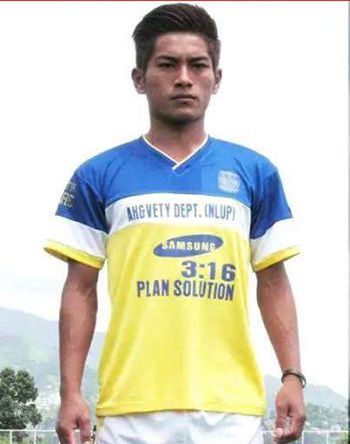
Peter Biaksangzuala.

Peter was an MPL player. MPL stands for Mizoram Premier League, and it is the highest state-level association football league in Mizoram. And for a State crazy about football, the turnout for any MPL match is always huge, with fans screaming out slogans and cheers and jeers that echoes across the entire valley.

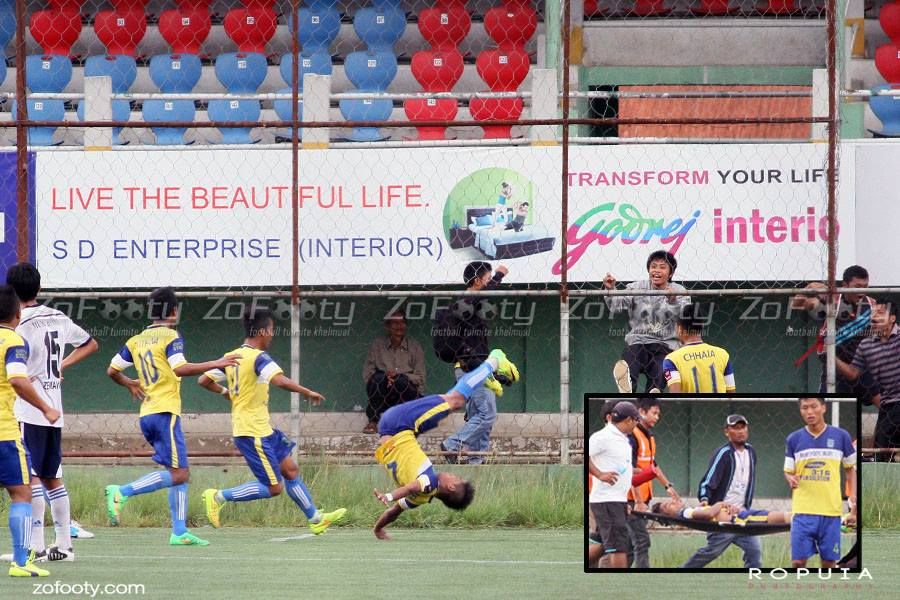
He played for the team BVFC (Bethlehem Vengthlang FC) and just last week, they had a match against CWFC (Chanmari West FC). The atmosphere was highly intense, with CWFC leading by one goal, when in the 60th minute, Peter scored an absolute stunner to put the scoreline at 1-1. BVFC fans erupted in joy and Peter went on to celebrate his goal with a series of somersault.

Unfortunately, he landed badly on his back.


[Pic source: ZoFooty]

What felt like one of the most momentous occasions, took a complete turn in a matter of seconds. He had to be substituted and was rushed to the hospital.

Most people thought the injury wouldn’t be serious, and everybody continued watching the match.

It was only later that friends and family of Peter learnt that the injury had affected his spinal cord and he had to be put on a ventilator!

And yesterday, Sunday 7:00 AM, the devastating news that Peter had succumbed to his injury in spite of the best efforts from doctors to save him, sent shockwaves across the tiny State of Mizoram. Peter breathed his last, but not before donating his eyes and other vital organs.

It was such a tragedy for such a talented young player to die that way – for celebrating a goal.

Many of my Facebook friends too changed their profile pictures to his, in order to honor him. Condolences messages were posted everywhere. His funeral in Mizoram saw a HUGE turnout, especially from football fans and players of other football clubs in Mizoram. People from all walks of life turned up to accompany his body till the grave. His club BVFC announced that they were going to retire his jersey number (the highest honor a club can give to a player, meaning no other players playing for the club can ever have that jersey number as it now permanently belongs to Peter).


And last night, this tribute crossed State-lines as NorthEast United FC and FC Goa observed a 30 seconds moment of silence in memory of Peter.

I just wished the telecast never went into commercials right then. But since it did, here is me telling you about the unseen story, the silence that we all missed. About the 23 years old defensive midfielder whom most of us have never heard of, but as football lovers, fans and enthusiasts alike, we all share the pain of losing someone in such a bizarre manner. All because he celebrated his goal. Only if you’re crazy and passionate enough about football will you understand the adrenalin rush of scoring a goal and celebrating it. And in the end, it was indeed a deserving tribute to a fallen player, especially with former legends like Robert Pires and others paying their last respects.

RIP Peter.


Saturday, October 18, 2014

Chp 532. Things to remember before visiting NE


This is my answer to a Quora question:


What are the "things to remember" before I start off to travel the most of Northeast India?


If you like this post and you are a member of Quora, please do upvote my answer :D In case I got any info wrong or missed out any important point, please do let me know in the comment section.


Answer:


Ok here are 20 points that I think one should remember before traveling across the North East:


1. Keep in mind that every Northeastern state is different from the other. First and foremost, some of the States require a permit just to visit, depending on who you are. Since you didn’t specify your background, I’m just giving you three categories of visitors -

a) In case you are a foreigner, you no longer need to get an RAP (Restricted Area Permit) or PAP (Protected Area Permit) to visit Mizoram, Manipur and Nagaland. You just have to register yourself at the Foreigners Registration Office (FRO) of the particular State within 24 hours of arrival. Don't forget to take your passport, visa and other documents as well (my brother-in-law is English, so we usually go directly to the FRO straight from the airport whenever they visit). However, to visit Arunachal Pradesh, you still require a PAP.

b) But if you are a foreigner from Pakistan, Bangladesh, China and Afghanistan, then you need a clearance from the Ministry of Home Affairs to visit the four Northeastern States of Arunachal Pradesh, Mizoram, Manipur and Nagaland.

c) If you are an Indian citizen, then you need an ILP (Inner Line Permit) to visit the three Northeastern States of Arunachal Pradesh, Nagaland and Mizoram. You don't require any permit to visit the other five Northeastern States (Manipur, Meghalaya, Assam, Tripura and Sikkim). Even people from other Northeastern States have to apply for an ILP to visit these three mentioned States. In case you want to read up more about this ILP, you can refer to my Quora answer regarding the same.


2. If you can afford it, I would advise you to carry at least two mobile phones (or a dual sim phone) with different service providers and roaming activated on both, because due to the mountainous region, sometimes a particular network is available at a particular location only and vice-versa, and unlike other telecom circles, it is very difficult to use the network of different service providers on roaming over there. I recommend Vodafone / Airtel / Idea.


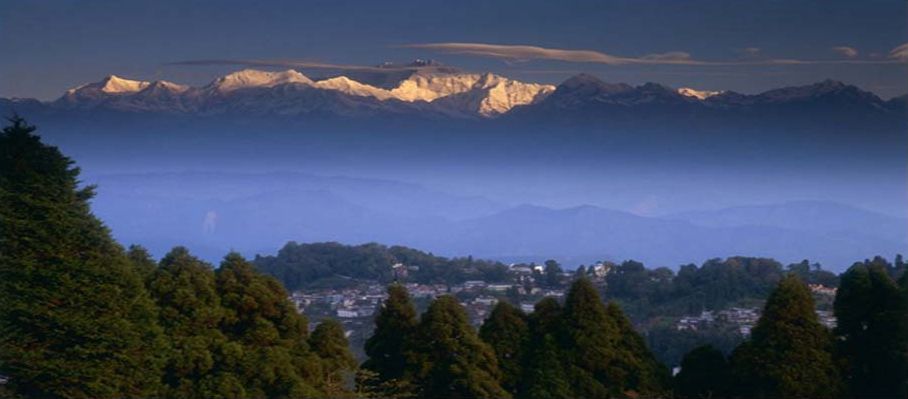
3. If you are travelling towards any of the capitals or main cities, make sure you take time to enjoy the journey to your destination. Enjoy the view, stop frequently, take photos of the hills, waterfalls and mist covered mountains, or the hilariously cute BRO road signs you'll find in abundance. Trust me, the cities aren't that great compared to the tranquil serenity in the outskirts, especially if you yourself are from an urban area.

[Pic source: indiatoursandtravelsdotcom]


4. As others have already mentioned, try to avoid the entire region during the monsoon! You'll face floods in the plains and landslides in the hills. Yes one of the most beautiful moments in the hilly sections of the North East is that moment right after a rain, but you also run the risk of being delayed/stuck due to landslides.


5. Be nice to the locals :) Smile, be polite, and don't be loud! Northeasterners are usually very quiet, shy and soft-spoken. Most people are extremely helpful in assisting tourists when approached politely.


6. I'm sure this must be obvious, but I think it needs to be mentioned. Be aware of the vast racial and cultural differences of the NE people from that of the rest of India. Don't express shock or surprise when you see them or even try to imitate their language mockingly, we'll find that gravely insulting. At the same time if you take a genuine attempt to speak in the local language (maybe through a translation app on your smartphone) they'll quickly bond with you. Also, do not be surprised if you see many indigenous people who aren't of the mongoloid race. Not everybody from the NE has mongoloid features, so don’t ever ask them questions such as, “How come you don’t look like a Northeasterner?” That is as offensive as asking the ones with Mongoloid features, “How come you look like a Chinese?” No matter how we look, all of us are extremely proud and protective of our respective heritages.


7. Again, regarding the language, do take an attempt to read up a bit about the particular Northeastern State you're planning to visit. Most of the States are inhabited by a group of different tribes or communities with completely different language or dialect, so sometimes the person may find it insulting if you ask him how come he doesn't speak x language just because another person from the same State does. Overall, at most places, you can manage with English or Hindi.


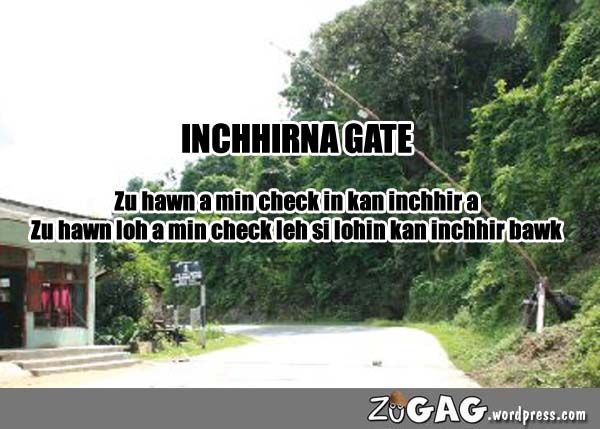
8. Keep in mind that there is Total/Partial Prohibition in the three States of Mizoram, Manipur and Nagaland (though Mizoram has amended this act recently, it will be enforced only when the next assembly session starts). This means you won’t find alcohol (that easily) at these places, and you are not allowed to carry booze with you while entering these three States. I mean, you can of course, but if you get caught, it’s not going to be a very pleasant experience for you. And yes, the security at some of the check-gates are extremely vigilant due to the insurgency issue in some regions.

[Translation: An alcohol check-gate in Mizoram, aptly nicknamed “The Gate Of All Regrets” because if you were carrying booze and you’re checked, you regretted, and at the same time if you didn’t carry alcohol for fear of being caught and there was nobody on duty at the check-gate, it led to regret again!]


9. Depending on what time of the year you're planning to visit and which State you're planning to visit, plan your clothing carefully. Some places are extremely cold in winter while others are horribly hot and humid in summer.


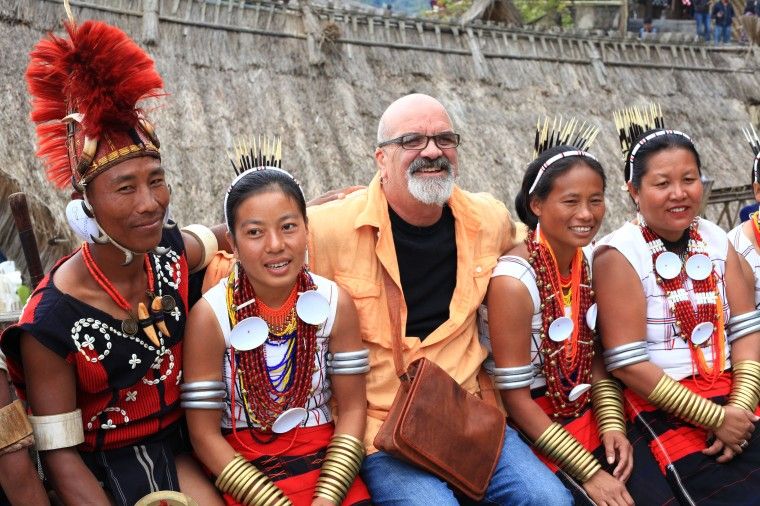
10. Also read up on the seasonal festivals of the different States, those are the best times for tourists to visit. Some of the popular ones are the Hornbill festival of Nagaland, Bihu festival of Assam, Autumn festival of Meghalaya, Athurium festival and Chapchar kut festival of Mizoram, the occasional rock concert and music festivals in vibrant Shillong and so on. And in the case of Mizoram, I personally know a few tourists who unfortunately visited Aizawl during Christmas season :) Bad timing indeed, because everything shuts down during this period for 2-3 weeks. Traffic is closed throughout the city during the day (no vehicles allowed on the roads) as the entire city comes out to do their Christmas/New Year shopping or celebrate Christmas with carols and parades. Visit Mizoram during this period only if you want to experience this unique feature.

[Hornbill festival in Nagaland]


11. Although I don’t need to tell you about the different food cuisine you’ll find in the North East because that is an obvious situation at any new place, I just want to mention about the timing/frequency that most people are usually not aware of. In many Northeastern places like Mizoram, we do not have a concept of “lunch”. We eat just two main meals a day - breakfast and dinner, which are both extremely heavy. “Lunch” consists of just a simple tea break and maybe light snacks. So brace yourself not just for a cuisine change but a timing change as well.


12. Moreover, brace yourself for a contrast time difference. Keep in mind that the Northeast lies on the eastern side of Bangladesh which itself is 30 minutes ahead of India. It’s fair enough to say that the Northeast is at least 1 hour ahead of IST, but since we follow IST, sun rises and sets very early. A large majority of the population would be well asleep by 7-8 PM and the streets dead quiet, even in the center of the city. Get ready for that.


13. It is better to book your hotels or accommodations in advance. Also, I’d like to warn you that the quality of hotels aren’t as great as in the Indian metros. And I feel the service industry kinda lacks behind in the North East. So don’t be surprised if waiters or bellboys don’t exactly do their jobs up to your expectations.


14. Always try to get a local guide wherever you go.


15. Don’t rely much on credit cards. In fact you can leave them at home if you want. Take plenty of cash with you, along with your debit cards that you can use to withdraw from the ATMs.


16. And as is a golden rule in any place you’re visiting for the first time, always ask your host or the hotel attendant about the cost of taxi fare from x to y location you want to visit.


17. Never hesitate to take a fresh morning walk from your place of accommodation. Observe the early morning life around you or the idyllic sunrise amidst the sprawling hills. Let the chirpings of morning swallows or crickets transport you to a heavenly abode of new delight.


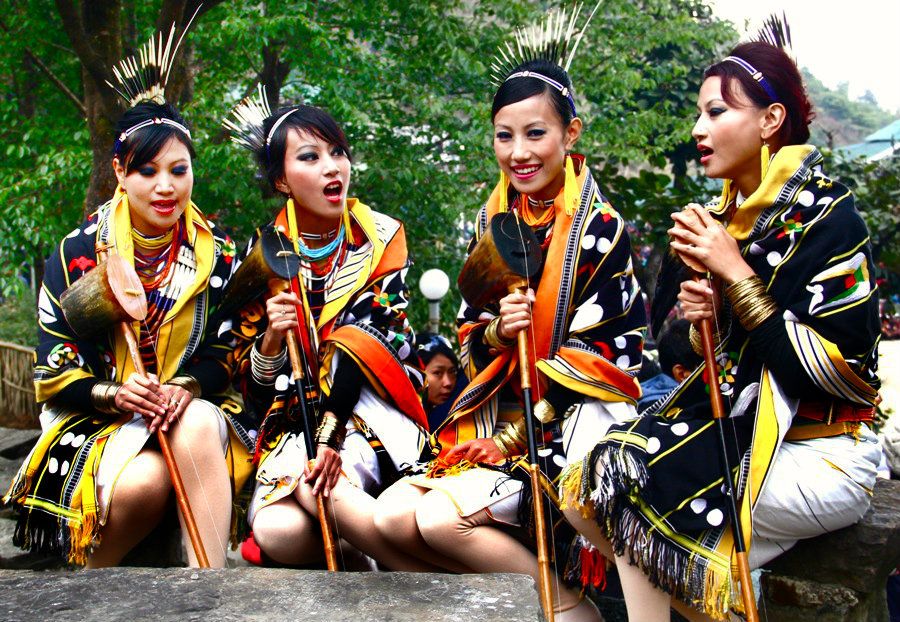
18. Another important point to remember - The North East is known for its rich cultural and traditional attire, with beautiful woven cloths, shawls, dresses and headgears. However, don’t be surprised if you don’t see people wearing such traditional clothes when you reach there! We usually wear them only on important functions and occasions :)

[Pic: Nagaland’s talented Tetseo Sisters]


19. Last but not the least, try to keep in touch with the local news. Most people think the North East is one entity, but actually, we too have a lot of our own internal issues and inter-ethnic clashes now and then between different tribes and communities. Though such disturbances don’t escalate, it can lead to some unrests and usually 2-3 days bandh, hence preventing you from moving around. While this occurs rarely, it does happen now and then, so I’m just giving you a heads-up on this. Keep a track of the local news as you move around. Small disturbances like that shouldn’t hamper your visit, especially if you are not worried about the fact that most of these Northeastern States you’re planning to visit are under the draconian AFSPA law :)


20. Bonus pointer :) - If you know the right people at the right places, it may be possible for you to slip into Myanmar. That’s right, I’m talking about crossing the International border here. But of course this may not be legal and I am in no way encouraging anyone to break the law, but I’m just saying sometimes one can visit Myanmar due to the porous border with some of the Northeastern States bordering Myanmar, where one can walk into foreign territory, drink Burmese brewed beer, swim at the pristine Rih Dil lake, and pay for your food using Burmese Kyat and then come back to the Indian side at the end of the day, giving you that cheap satisfaction of having “travelled abroad” :) :P

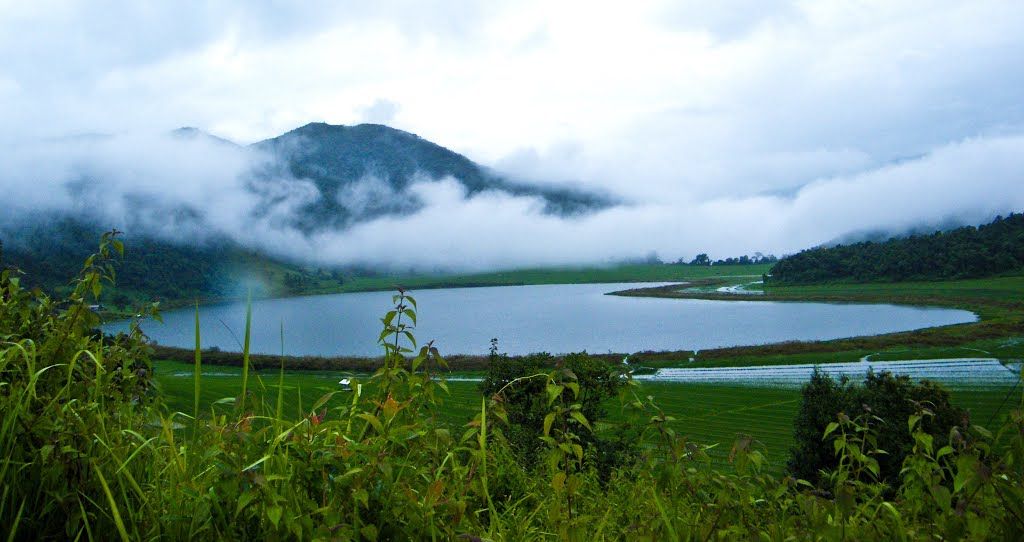
[Rih Dil, Myanmar]


So hope these 20 points help. Do enjoy your trip to the North East. Cheers (except of course in some States :P )


Monday, October 13, 2014

Chp 531. Mizoram and ILP


This is my answer to a Quora question:


What is your view on the issue of inner line permit in the states of Arunachal Pradesh, Mizoram, and Nagaland?-

Comment from asker:

Some people say that it is a violation of fundamental right of a citizen to move freely in the country and it alienates a part of the country economically and culturally (cultural and economic exchanges get slowed down).

While others say it's a necessary step to protect the pristine and fragile culture and population of these states. The inward flow of outside people will marginalize and destroy the culture of these regions making the natives a minority in their own regions.

What is your view? What do you think is the impact of IPL ? Should it be removed immediately, or it should be removed after a certain period of time or it should exist forever?


My answer:

A very interesting question indeed.

TL;DR version - Inner Line Permit may hamper economic growth, but it serves as a means to protect the indigenous tribes from exploitation and preserve their fragile cultures and traditions. Removing ILP can lead to a mass influx of non-residents, especially from neighboring countries like Bangladesh and Myanmar (due to the porous border) which will greatly change the demography and the practices of the local indigenous tribes who had been co-existing there for many decades..

----------------------------------------

Now for those of you who might be interested in a bit more detailed answer, please feel free to continue reading -

Since the answer you seek is more of a personal opinion rather than the usual factual or informative answer we see here in Quora, I just want to explain a little bit more about the ILP as I answer your question. From your comment, it is obvious you definitely know what the ILP is, but hope you don’t mind me taking this opportunity to explain what the ILP is to other Quorans who may not have heard of it?

The reason why I want to do that is because of the number of comments and sentiments I have read online from people who may have a wrong notion about the ILP.

So, what exactly is an ILP?

If you’re an Indian citizen who is not a resident of Arunachal Pradesh, Nagaland and Mizoram and would like to visit any of these three mentioned states, then you need to get an ILP (Inner Line Permit) from the respective State Governments. And earlier, if you’re a foreigner, you had to get the more complicated RAP (Restricted Area Permit) or PAP (Protected Area Permit) to visit these three states.

However, today, in order to boost tourism at these states, the Indian Government no longer makes it mandatory for foreigners to get an RAP/PAP, they only need to register themselves at the Foreigners Registration Office (FRO) within 24 hours upon arrival at any of the three states.

But if you’re an Indian citizen, you still need to get an ILP to visit Arunachal Pradesh, Nagaland and Mizoram, which raised many eyebrows because currently, it sounds like it is easier for foreigners to visit these three states rather than Indian citizens!

I’m from Mizoram, brought up outside the state, and the first time I told any of my friends about the ILP, their immediate reaction was always, “Whaaaat? Why do I need a special permit to go to a part of our country? Isn’t that against my fundamental rights?”

 So let me just try to explain this whole thing in detail.

As mentioned above, I have met a lot of people who are unaware of the ILP. Even those who have visited the North East, usually visit just Meghalaya (beautiful Shillong, wet Cherrapunji, Tura peak, and the serene view of the Khasi, Jaintia and Garo hills), Assam (60% of the NE population, Kaziranga National Park, Bihu festival, the land of Bhupen Hazarika and Arnab Goswami) and Manipur (Dzukou valley, Loktak “floating” lake, Shri Govindjee temple, land of “Iron lady” Irom Sharmila and NE sporting giants such as Renedy Singh, Thoiba Singh, Devendro Singh, Bombayla Devi, Mary Kom, Sarita Devi, Kunjarani Devi, Renubala Chanu, Dingko Singh etc). Tripura and Sikkim too have their own enchanting charm as well. None of these five Northeastern states requires an ILP, so as an Indian citizen, you are free to roam around at such places.

Indian citizens require an ILP to visit the other three North Eastern states of Arunachal Pradesh, Nagaland and Mizoram. They too are also great tourist destinations.

Arunachal Pradesh is famous for its orchids, Buddhist temples and breathtaking scenic views like Ziro, Bomdila, Tawang and Roing. If you haven’t been to those places, it should definitely be on your bucket list.

[image source: Roing river]

Nagaland can boast of the tranquil Dzukou valley, which is currently sort of a disputed area (Naga tribe not ot allow Manipuris to enter Dzukou) with Manipur regarding ownership as it lies in the border separating the two states, with a lot of Angami Naga tribesmen settling in the Manipur side. This dispute may sound frivolous to some, but remember, we’re talking about the ILP here. Technically, according to this law, if you’re visiting the Dzukou valley from Nagaland, you require an ILP, whereas if you’re visiting the valley from Manipur, you don’t. Funny huh… :)


We Northeasterners too have our own quota of internal complexities and differences. If you are interested in visiting the beautiful Dzukou valley, here is a good travelogue you must read (travelspeak: The Enchanting Dzukou Valley). Nagaland also has their famous Hornbill festival, not to mention the heritage villages of Mokokchung, Mon, Wokha etc and the renowned Kohima War Memorial. Here’s a list of places to visit in Nagaland -  (goindia: Five Popular Nagaland Tourist Destinations)

[image source: hornbillfestival.com]

Mizoram too has the recently popularized Anthurium festival as one of our annual tourist attractions.

[image source: Mizoram.gov.in]

Apart from that, we have a few tourist destinations like Phawngpui hills, Tam dil, Sibuta lung, Vantawng khawhthla etc., but frankly speaking, I think our tourist attraction kinda pales compared to the other North Eastern states (or maybe I just feel that way because I’m from there).

All in all, if you are not a resident of Nagaland, Mizoram and Arunachal Pradesh, then you require an ILP to visit these places, and many people assume this hampers tourism. It shouldn’t, actually.

What is the origin of ILP? How did it come into being?

Back when we were under the British, there was the Bengal Eastern Frontier Regulations Act passed in 1873 which prohibited non-indigenous people from settling in certain areas in what is now currently North East India, so as to preserve the cultural heritage of the much more regressive tribes and protect them from exploitation. ILP is nothing but an off-shoot of this act.

Now I have read quite a few comments from people saying that their states too should implement ILP like how some of the North Eastern states have done. As far as I know, getting an ILP status is not that easy, and the Indian Union is very likely to reject any such proposal. There was even that recent push from student activists in Meghalaya and Manipur for an ILP status which was denied – (MHA denies ILP to Meghalaya and Manipur). Changing the status of an ILP for a state requires complex legal and constitutional amendments, pretty much like Article 370 of our Constitution that grants special autonomous status to Jammu and Kashmir. I really don’t know how ILP was introduced in Arunachal Pradesh and Nagaland, but in the case of Mizoram, ILP was one of the points included in the “Mizoram Accord”, a landmark peace agreement signed between the Indian Government and Pu Laldenga (you can read more about this in my Quora answer to the question Quora: What do people of Mizoram think about rest of India)

You can even download this important memorandum from the United Nations official website here (UNO: Memorandum of Settlement - The Mizoram Accord) as it made an interesting case study, being one of the few instances across the world where insurgency in a conflict zone was successfully ended with the stroke of a pen. Mizoram today is one of the most peaceful states in India.

According to the Memorandum of Settlement (Mizoram Accord) mentioned above, the Indian Government had invoked ILP on Mizoram as a part of the agreement. And so, that is how Mizoram till today continues to be under the ILP.

The reason why I need to clear the air about the ILP is because of the numerous comments I have read online. One such popular sentiment was - "Northeasterners often complain about being racially abused and discriminated when they come to Delhi, and yet we need a special permit to visit their states which is a part of our country. Isn’t that hypocrisy?”

First of all, this is not a Northeastern versus Non-Northeastern issue. To enter Mizoram, if you’re a resident of Maharashtra, Tamil Nadu, Jharkhand or any non-Northeastern state, you do require an ILP, just as how a person from Assam, Manipur, Sikkim or any other Northeastern state requires an ILP to enter Mizoram. Likewise, if I want to visit Arunachal Pradesh or Nagaland, I too have to apply for an ILP as well. Similarly, there is a large Naga population residing in Manipur, Assam and some parts of Arunachal Pradesh, and even they have to apply for an ILP to visit Nagaland. Only those Nagas residing within Nagaland (including a significant Gurkha community living in the state) don’t require an ILP to enter Nagaland. So there is no such thing as a Northeast-Mainland division here. Secondly, only three NE states require ILP, there are five other beautiful Northeastern states out there that you can visit freely, so I really think it is unfair to compare or equate that to the discrimination Northeasterners face in Delhi or other places.

Thirdly, the ILP is not as bad as it sounds! I’m sure most of those who criticize Mizoram because of the ILP are people who haven’t even been there or have no intention of going there. Ask any Indian tourist who has actually visited Mizoram and they will tell you how easy it is to procure one. If you’re travelling by road into Mizoram, you can easily get the permit from the Liaison Officer of Mizoram House in Guwahati, Silchar, Kolkata, Delhi or Shillong, and then show that piece of paper to the security guards at Vairengte check-gate. Thadaaa, welcome to Mizoram. And if you’re entering Mizoram by air, upon arrival at Lengpui airport, you just have to fill in the same form from the officer-in-charge at the airport and once he/she stamps your paper, you’re good to pass through. It is just a formality procedure. No officials will ever harass you or search you or refuse your entry.

For more information on how to get an ILP in Mizoram and the different type of ILP durations, here’s a link from mizoram.nic.in webpage (How to get an Inner Line Permit in Mizoram)

The aim of the ILP is not to curb tourism or prevent other Indians from visiting the state (you are always welcome to visit my home-state) but rather to keep a record of the number of non-residents within the state. This can later be used for security reasons, and to ensure that the local occupation, demography and cottage industry is not disturbed. The ILP enables the state government to keep a check on the number of non-resident laborers, business owners and other employees/employers residing within the state.

I have been asked a lot of uncomfortable questions regarding this issue, which can be summarized as, “Kima, do you find it fair that you can come to Maharashtra and work as a copywriter in an ad agency freely whereas to do the same in Mizoram we need to get a permit first?” (This was before I moved into mobile games development).

Yes, if you think that way, it does sound unfair. After all, this is India right? But there’s more to this than meets the eye.

First of all, armed personnel posted in Mizoram like the BRO (Border Roads Organization), AMC (Army Medical Corps), Assam Rifles and CRPF do not require an ILP. Secondly, Central and State Government employees too do not require an ILP. There are many non-resident Government employees posted in Mizoram who do not have to apply for an ILP. Thirdly, Mizoram falls behind when it comes to the private sector, so I’m sure even if you were allowed to work as a copywriter in an ad agency in Mizoram without an ILP, you still wouldn’t want to do that. That’s the whole reason why I’m here in Mumbai. Hell, if there was a good ad agency in Mizoram, I’d rather work there than here in Mumbai as it would be a lot more convenient and cheaper for me.

What you should know about Mizoram is that, it is one of the smallest states in India, and area-wise there are quite a few districts alone in India that are bigger than the state of Mizoram. And the entire population is just around a million, which means there are more people living here in Andheri West in Mumbai than the entire population of Mizoram! Hence, an influx of people from outside the state can easily change the demography and customary traditions of such a tiny population that didn’t even have a written script or knew how to read or write barely a 100 years ago.

In Tripura, the rulers of the Tripuri dynasty allowed open immigration so as to improve their administrative and economic conditions, and in 1875, indigenous people of Tripura constituted around 64% of the population due to a large influx of Bengalis. Even after India’s independence, the migration of Bengalis from East Pakistan and later Bangladesh continued, and in the 2001 census, the indigenous people of Tripura were reduced to 30%, with Bengalis constituting 69% of the population of Tripura. The language Bengali has also become one of the official languages of Tripura, along with Kokbokri, the language of the indigenous people. Some may consider the addition of a more advanced culture as enriching to the existing one, but one cannot brush aside the decadent growth of the indigenous population and the decline in the number of people who now speak Kokbokri.

While assimilation is a good thing, the problem with assimilation is that people often mistaken assimilation with hegemony. As a Mizo, much as I adapt to the broader Indian cultural tradition, it does not mean I should let go of my Mizo cultural practices. It is a part of who I am and where I’ve come from. But when the population of a tribal group diminishes due to the increasing influences of a much more superior society, then that usually leads to either linguicide and disintegration of the customary tribal practices, or a struggle for survival, usually marred with violence.

Tripura too witnessed many troubled years due to the change in demography, with insurgent groups such as the National Liberation Front of Tripura (NLFT) and All Tripura Tiger Force (ATTF) formed by the indigenous tribes to combat the growing Bengali majority population in Tripura. In retaliation, counter-militant group such as the United Bengali Liberation Front (UBLF) was created to protect the Bengali population from the NLFT and the ATTF, and they were active in attacking the indigenous tribes. South Asia Terrorism Portal described UBLF as, “The modus operandi of UBLF was to throw bombs at a group of tribes from a distance. Their operation strategy is also different from that of the NLFT or the ATTF in the sense that UBLF terrorists move about in small groups and single out their victims at isolated spots. Their target could be a moving vehicle or a small conglomeration of tribes away from their settlement.” (SATP: United Bengali Liberation Front)

Yes, the North East is definitely no stranger to inter-ethnic clashes.

I’m sure most of us are aware of the mass exodus of Northeastern people from various Indian cities back in August 2012. Thousands of Northeasterners fled Bangalore, Chennai and Hyderabad two years ago after being threatened by certain anti-social elements from the Muslim community, and the Indian Government even had to arrange special trains to handle the mass exodus, rather than handle the threats (Refer my answer to a Quora question - Quora: What was the reason for the panic and exodus of the North East Indians living in Southern Metros in 2012).

All that started because of the clash between the Bodo community of Assam (one of the earliest inhabitants of the Brahmaputra valley) and the Muslim community (who were painted as being illegal Bangladeshi immigrants). Tensions have always been high between indigenous people and immigrants in the North East, especially since we have a very porous border with Bangladesh. Though words fail me as to how that eventually affected every other North Eastern community because of the Bodo-Muslim clash, the writing on the wall is simple – mi casa is not su casa.

And that is one of the many reasons why I think Mizoram is now one of the most peaceful states in India - because it keeps a check on the number of non-residents living in the state because of the ILP. Since you asked for a personal opinion, I guess this is my personal opinion, though rather a tad long one. Feel free to disagree.

I think it may be unfair to compare the situation in the North East to that in the rest of the country. We have to take into account the various complexities and numerous inter-ethnic rivalries and clashes that we don’t read about in our mainstream Indian news media, but if you’re from that region, you’ll come across such news almost every day.

And of course, my personal opinion is that the ILP does hamper economic growth and development. That is a no-brainer. But case in point, you’ll also need to consider what happened in other places where preservation was sacrificed for development, which really didn’t work out well for the indigenous people of that place.

I can also admit that there had been many times when we Mizos ourselves had been frustrated with the ILP. I’ll give you a couple of examples. Some of these may sound trivial, but nonetheless, it is happening because of the ILP. In our Mizo society, consumption of betelnut (paan) is extremely popular. The “Mizo Kuhva Zuar Association” (Association of Mizos who sells betelnut/paan) has a complete monopoly on the price of paan sold in Mizoram and they have the habit of increasing the cost of paan at their own whims and fancies, since paans do not come with an MRP tag. Now a lot of business traders from Assam and Bangladesh like paanwallas come to Mizoram without an ILP, offering a much cheaper (and sometimes better quality) paan that a lot of us love. When Mizo paan sellers realized people stopped going to them, they reported all those “outsiders” to the police and YMA, and the law agencies had no other option but to follow the written law and deport them from Mizoram since they didn’t have an ILP. Now in a way, it makes sense because the “outsiders” threatened the livelihood of the local market. But one could argue that it wouldn’t have led to many consumers going to the “outsiders” instead of them in the first place had the Mizo paan sellers association been reasonable with the price. See, the line between protecting local business and exploiting consumers is extremely blurry here.

Similarly, people who own contractual businesses where manual laborers are required often curse the ILP, because a lot of Mizos prefer not to do such menial work or are not proficient enough for the given tasks. And a lot of people prefer migrant mistiris (masons) rather than our own because they are usually more hard working and devoted to the given job. As the saying goes, “As you make your bed, so must you lie on it”, I guess this is something we’ll all have to live with if we support such a law all in the name of preserving one’s culture.

At the end of the day, it all depends on how you look at it. If you take a macroscopic view, calling a spade a spade and demanding equal treatment for each and every Indian citizen, then yes, it is unfair to have a state under the Indian Government where non residents of that place need to get a special permission to visit or work. On the other hand, if you consider their historical backgrounds and all the complexities involved within the North East, including the fragile nature of the inhabitants and their decadent growth rate, you might think it may be better if things work differently at such places in order to preserve their culture and heritage.

In a way, I think it all boils down to an “Ayn Rand situation”. Many intellectuals adore and worship Ayn Rand for her philosophical books on objectivity, and when it comes to her opinion about Native Americans and the “Trail of tears” incident, she infamously expressed, “I do not think they (Native Americans) have any right to live in a country merely because they were born here and acted and lived like savages”.


And yes, a lot of people agreed with her.

Feel free to have your own opinion.


Monday, September 29, 2014

Chp 530. Orkut - The end of an era


Some of us may remember how much time we used to spend on mIRC, hi5, Myspace, Friendster and all those other threaded discussion forums (zoram.com, izawl.com, zawlbuk.net etc). Man those were some memorable times wasted cherished at such social networking sites.

One such competitor back then was Orkut in 2004.


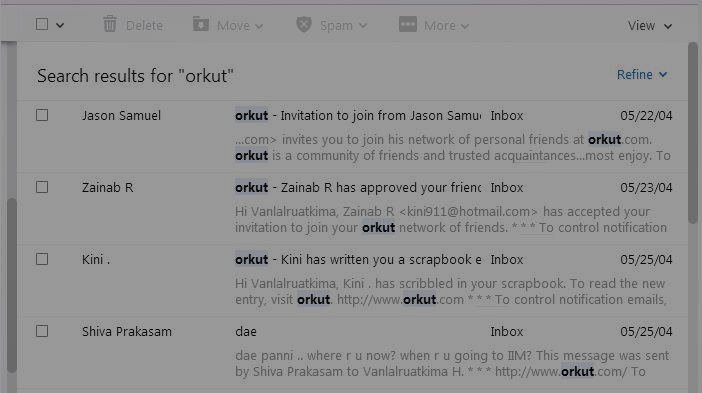
I can say with surety that I am one of the early Indian members of Orkut. I got an invitation from my college classmate Jason to join Orkut back in 22nd May, 2004, four months after it was launched.


Remember Orkut back then was invitation-only. We had just graduated from Engineering college that time, and while most of my batchmates were working in the IT sector in Hyderabad, I was in Hyderabad doing my CAT coaching class.

Some unconfirmed sources claimed that Orkut started spreading in India mainly because of Hyderabad where a lot of the IT crowd got to interact with their American counterparts, hence the invitations. Plausible reason, I guess.

If you want to find out when you joined Orkut (since it is not possible to know from your account), you can simply search your mail account which you used to register or got an invitation from (hopefully, you haven’t deleted it).

Back in the early 2004, there weren’t that many Indians on Orkut. But as Orkut slowly started picking up, enter the smooth-talking egomaniac orkutiya, the ones who would randomly send a cheesy fraaand invitation to any female profile they came across and not afraid to verbally abuse one if she ignored him. Their scraps were full of craps.*badamtsss*

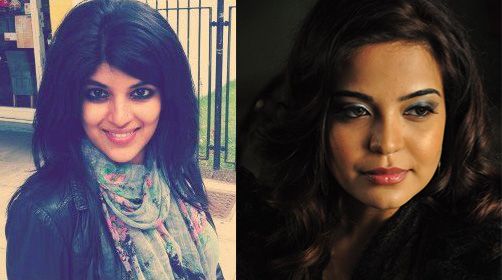
Back then, two of my closest friends in Hyderabad were Kini (who went on to become a popular VJ slash DJ) and Adonica (who went on to become a popular RJ, a model and even acted in a couple of Telugu movies like Romeo and Aravind 2).


As you can see, they’re both attractive and so they used to receive a lot of friend requests and corny pick-up lines from strangers, most of them with horrible grammar and spellings. We would just spend the afternoons reading their mails and laughing at the over-confident, aggressive and abusive ones, until I suddenly suggested about making a community around it.

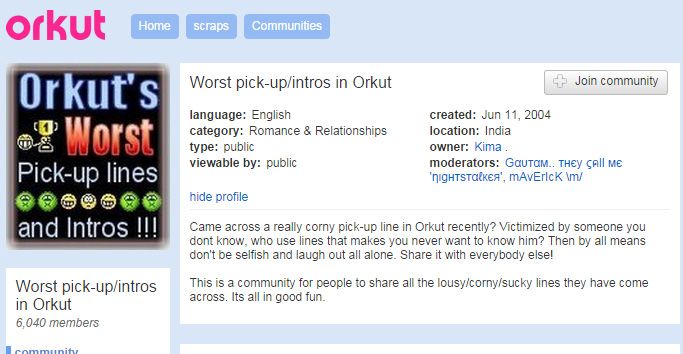
And so, “Worst pick-up lines of Orkut” was born!


[Haha, I know, my graphic design sucks, but remember I made that in 2004. Back then, people love that kinda design]

Initially, I created the community only for our group of friends like Kini, Addy, Shruti, Pawan, etc who would post the corny pick-up lines they received. Suddenly, in a matter of days, the community went viral and hundreds of Indians joined! A lot of people too shared the corny pick-up lines they received, and soon it was a community where people played word games, movie trivia etc. I had to appoint moderators from among the active members to help me manage the content.

The Times of India published an article about Orkut back then, mentioning the ten most popular Indian communities in Orkut, and my Worst pick-up line community was SECOND, right below the community “INDIA”. Whoahhh, none of us saw that coming. In fact, if you search on Google with the keywords “Worst pick up lines of Orkut”, till now, the first result on Google search is the community that I created!

And then IIM-B happened, and I was caught up in this and that, assignments here and there, I started showing more interest in blogging and no longer had the time to manage the community. And even though many people left, as of today, there are still 6040 members in that community (of which I’m sure the active members would be zero, lolz).

Now, 10 years after its inception, Orkut is finally coming to an end.

Tomorrow, September 30, 2014, Orkut will finally be decomissioned. RIP Orkut.

During these 10 years, a lot of things happened. Today, according to mediabistro, the largest social networking sites in order of monthly active users are Facebook, Google+, Twitter, Instagram, LinkedIn, Pinterest, Vine, Snapchat, YouTube and blogs.

Orkut itself underwent major redesigning two times, one in 2005 and another in 2007. For those of us who had been using Orkut since 2004, it was indeed a big change. An option to change background themes was introduced in 2008, and seriously, that was sooo oldskool :) Luckily, I had long shifted to Facebook when that happened.

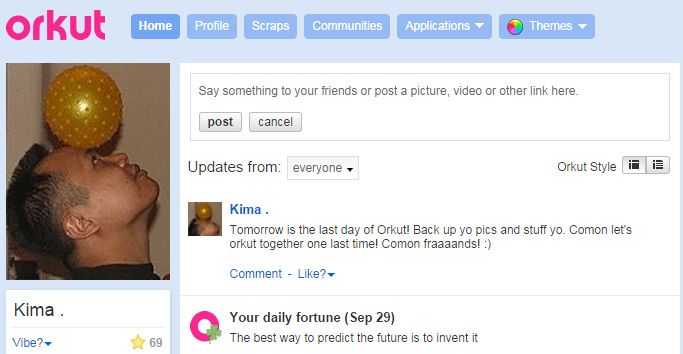
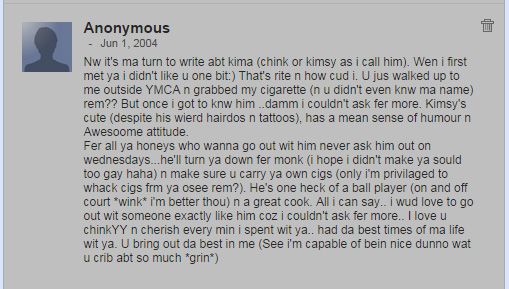
What I liked about Orkut was the “Testimonials”. Haha, I am print-screening some of the testimonials I received here on my blog to remember the good times before it is gone for good! :)

Just for the sake of walking down memory lane, here is the first testimonial I received. It’s from Kini back in June 1, 2004. It currently shows as “Anonymous” because she had deleted her profile a long time ago.


The next two “Anonymous” testimonials are from Priyanka my Engineering college classmate and Sonam, my senior at IIM-B who was more like an older brother to me, advising me and guiding me whether it was about academics or extra-curricular activities.


I’ll just include one more testimonial, and this one is from Pawan. We had just met around that time and became close friends quickly.


Dayymm, I’m so glad to be still in touch with most of these friends even today. Those were the cyber café days, sitting in a sweaty dingy cyber café glancing frequently at the bottom corner of the screen to keep a tab on the time spent, while the guy sitting next to you is slowly turning his monitor away from you because he’s probably browsing through some shady sites.

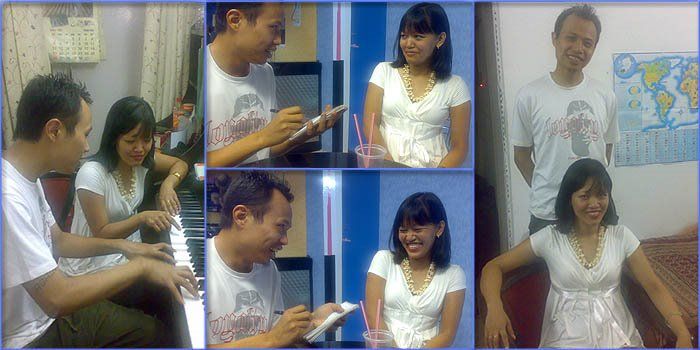
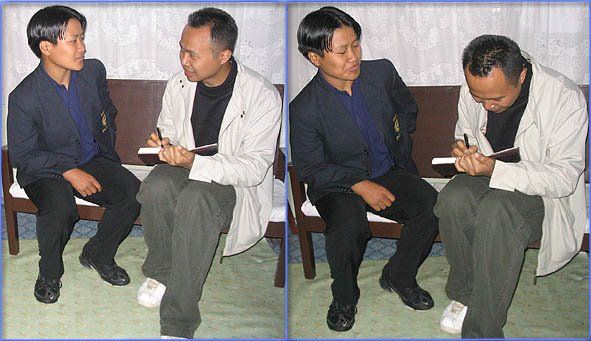
Unlikely most people, I actually don’t post a lot of pictures on social media, probably because I have a premium photobucket account where I upload photos meant for my blog. I have uploaded only NINE photos on Orkut during the entire time I was using it from 2004, lolz. And four of those were pictures from my blog and misual.com where I was interviewing some reputed people in our Mizo community.


The other five photos are quite random…

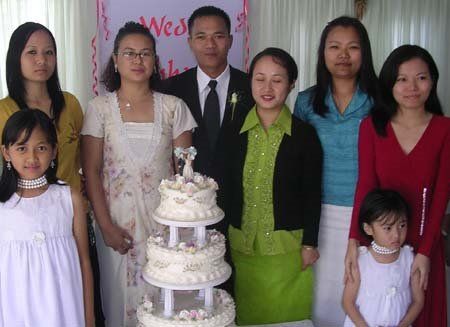
One is a group photo of my cousins at my cousin’s wedding…


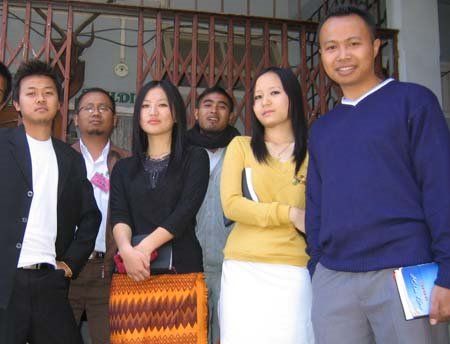
Another is me with another cousin and her friends on our way to “Bial Inkhawmpui” Church service…


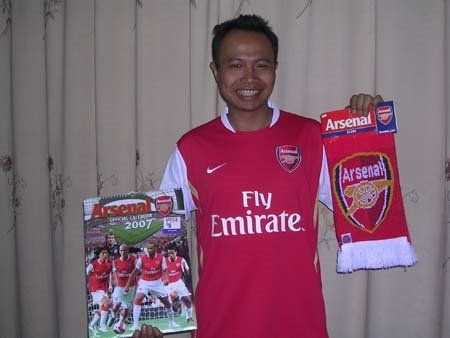
The next one is me showing off the Arsenal goodies my sis got for me from UK…


And then there’s this really random sunrise photo I took from my balcony back home…


And finally there is this cute BRO (Border Road Organization) road sign I saw on our way to our farm at Neihbawih…


And those are all the photos I have on Orkut. Backed up now on my blog.

Hope you too have backed-up all your Orkut uploads. Google Take-out is one good method to do that. Do it before it’s too late. In fact, tonight let’s all get back to Orkut and party like its 2004! :) Yayyyy, fraaand requests incoming, one last time! Wooohoooo! :D


Monday, September 22, 2014

Chp 529. Game Week 5 - Super Awesome


What an awesome weekend this had been for Arsenal fans! We played an amazing game on Saturday, and Ozil who had been criticized since the start of this season, was all over the ground and even scored a stunning goal assisted by Welbeck, silencing all his critics.

Next up, all critics of Welbeck, including a lot of ManUtd fans who mocked and laughed at Arsenal fans for buying their “useless player who was not even worthy of playing in their main team” were silenced, as Ozil returned the favor and assisted Welbeck to his first Arsenal goal.

And then the third goal came again, all in a span of three minutes, and one of the commentators even exclaimed if this was a new record for the fastest three goals in Premier Football history.

What an adrenalin rush it was. And the best part was looking at the other match results - While Arsenal won and got 3 points, here are some of the results of the other top-table and mid-table clubs:

Chelsea – drew
Manchester City – drew
Liverpool – lost
Manchester United – lost
Spurs – lost
Everton – lost
Aston Villa – lost

The funniest thing was watching Manchester United lose. Just last week, after they finally got their first victory this season by thrashing QPR 4-0, every ManUtd fan was rejoicing and cursing other rival club fans, and a lot of my FB friends had finally put back that “Works at Manchester United Die Hard Fans” job description on their FB profile, something that a lot of them had silently removed since the end of last season…

And last night after watching them go down to a recently promoted team, I was rolling all over the floor laughing like an insane person. And of course, rather than focus on their loss, there were a lot of hate posts and status updates abusing Arsenal fans. Lolz. I fail to see the logic behind that, and even had to make this comic strip this morning :D :P

[click on pic to enlarge]

Hehe, it is strange and at the same time so awesome to be hated so much, lolz.

But seriously, it was really funny watching ManUtd lose, considering the amount of noise and hype the fans made last week after beating QPR. My timeline was filled with ManUtd fans posting photos of Di Mario and Falcao, comparing them to Arsenal players and laughing at Ozil and Welbeck.

The best part was how one of my friends correctly predicted yesterday’s scoreline!

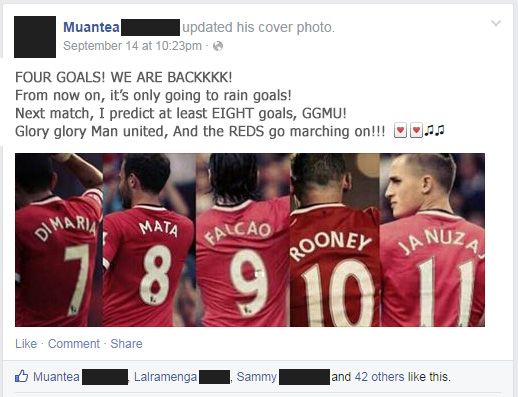
Right after ManUtd thrashed QPR 4-0 last week, one of my friends posted this…


And he was absolutely spot on! Eight goals were indeed scored in their next match.


Bwahahaha!!!! What an awesome prediction! Give this guy a medal. I’m now going to ask him his prediction for next week’s lottery winning numbers :D

What I truly admired during the enter Gameweek 5 was the Chelsea – Manchester City match where Frank Lampard scored a much needed equalizer against his old club, and then refused to celebrate. Now THAT is how you show respect to a former club. #Respect

I wonder how Danny Welbeck will behave when Arsenal meet Manchester United. It is obvious he still has close ties with his former teammates, but the way LVG announced in public that Welbeck was not good enough for United or not up to their standard was a soccer-punch below the belt. I mean, how can a manager diss his former player who had given so much for the club just like that? I really hope Wenger can transform Welbeck to the next Thierry Henry and kick LVG’s sorry ass.

Funniest moment of the ManUtd match was when that Apollo Tyre advertisement video featuring Manchester United team kept playing even after ManUtd’s humiliating defeat, adding more salt to their injury. It seemed to pass on the message that spending 150 million pounds will not necessarily grant you success because “there are no shortcuts to achieving your full potential” (Apollo Tyre tagline). Hahaha… Here, enjoy the ad to get a good laugh.


Performance. There are no short cuts indeed. Lolz.

Cheers :)